
Key Takeaways
- Bike pace is moving time per unit of distance (min/km or min/mi). At a steady average, pace (min/km) = moving time (min) ÷ distance (km), and speed (km/h) = distance (km) ÷ moving time (hours).
- In Calculate ride mode, choose what to solve for and enter the other known values. Results show distance, moving time, pace, and speed together after you calculate.
- Optional stop minutes add to moving time for an elapsed clock line only. They do not change moving average speed or pace.
- Presets include Olympic-distance bike (40 km), IRONMAN 70.3 bike (56 mi / 90.1 km), and IRONMAN bike (112 mi / 180.2 km). Variable courses need the Cycling Race Predictor, not flat averages[1].
What Is Bike Pace?
Cyclists usually quote km/h or mph. Minutes per km or per mile is still useful when you know distance and clock time (events, time trials) or want numbers comparable to run pace elsewhere on this site.
This tool assumes one constant average over moving time. It is not a power model and does not import GPS or fit files.
How to Calculate Bike Pace
| Given | Formula (metric) |
|---|---|
| Pace from a ride | pace (min/km) = moving time (min) ÷ distance (km) |
| Speed from distance + time | speed (km/h) = distance (km) ÷ time (hours) |
| Speed ↔ pace | pace (min/km) = 60 ÷ speed (km/h) |
| Finish moving time | time (min) = distance (km) × pace (min/km) |
| Target time → required speed | speed (km/h) = distance (km) ÷ time (hours) — same as Hit a goal mode |
Example: 100 km in 4 h moving time → 25 km/h and 2:24/km. Imperial inputs convert using 1 mi = 1.60934 km before the same formulas.
Triathlon Bike Distances
| Format (bike leg) | Preset in this tool |
|---|---|
| World Triathlon Standard / Olympic distance | 40 km |
| IRONMAN 70.3 (half-distance) | 56 mi (90.1 km) |
| IRONMAN full distance | 112 mi (180.2 km) |
Sprint and other triathlon formats use shorter bike legs (often 20 km). If your event is not listed, pick Custom distance. We do not list “good” race paces here—sustainable speed depends on fitness, course, and conditions.
Non-tri presets in the dropdown include 10 km, 40 km time trial, 100 km, and 100 mi (160.9 km).
Moving Time vs. Elapsed Time
Head units with auto-pause report averages over moving time. Stops add clock time without distance.
The optional stop field adds your entered stop minutes to moving time for one elapsed estimate in results. Speed and pace always use moving time only.
Practical Use
Use Calculate ride for a single unknown (e.g. 10 km in 30 min → speed and pace). Use Plan event when you know an average speed and want finish times at preset distances.
Use Convert for speed ↔ pace with no distance. Use Hit a goal for required average speed from distance and target moving time.
For elevation, wind, or power-based estimates, use the Cycling Race Predictor.
Accuracy and Limits
- Constant average speed only. Surges, coasting, and variable effort are not modeled.
- Stop time is manual and optional. There is no default aid-station allowance.
- On hilly or windy courses, flat math is a rough guide, not a pacing plan[1].
- Pace bands in the calculator are informal labels, not published population norms.
Source Limits
Formulas are standard time–speed–distance arithmetic. Tri presets match commonly published bike leg lengths for the formats named in the table; always confirm distance in your event athlete guide. Reference [1] discusses factors that influence cycling speed in general; it does not validate this app’s presets, formulas, or informal pace bands.
Frequently Asked Questions
Sources & References
- Bicycling Science (4th ed.). Wilson DG, Schmidt T. The MIT Press (2020)

Certified Personal Trainer & Sports Nutritionist
NASM-certified fitness and nutrition coach with over 10 years of hands-on experience helping people build strength, lose fat, and live healthier lives. Specializing in gym-based workouts with a strong focus on lifting technique, biomechanics, and practical exercise science. Through FitLifeRegime, sharing the tools, tips, and insights that have worked for hundreds of clients — helping you start your own fitness journey with confidence and clarity.
Learn more about Manish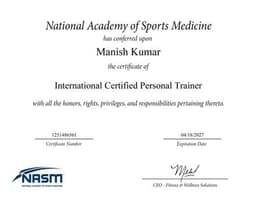
NASM Certified
Certified Personal Trainer & Sports Nutritionist from the National Academy of Sports Medicine
Disclaimer: This calculator is for informational and personal journaling purposes only. It logs measurements and compares them to published reference values. It is not health, medical, or nutrition advice.