
Muscle Recovery Calculator
Calculate precise muscle recovery times based on training intensity, muscle groups, and individual factors. Optimize your training schedule for maximum gains and injury prevention.
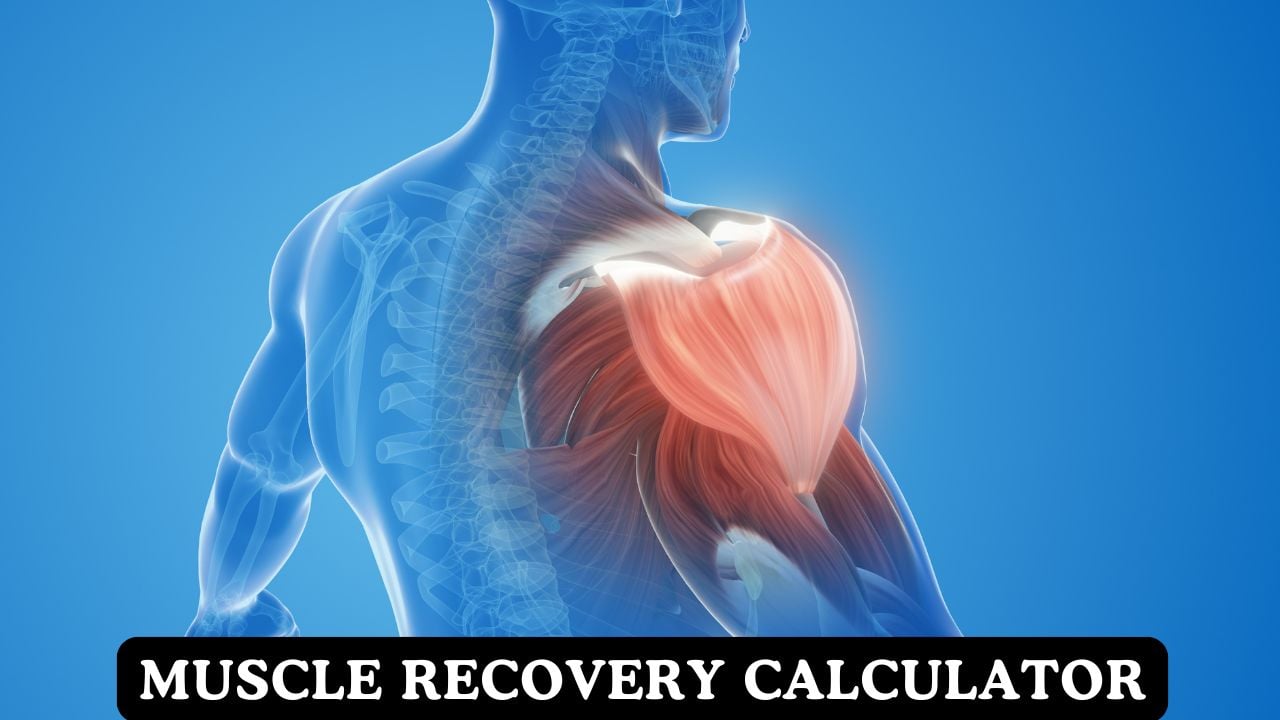
The Science of Muscle Recovery
Muscle recovery is a complex biological process involving protein synthesis, glycogen replenishment, cellular repair, and adaptation. Different muscles have varying recovery requirements based on fiber type composition, size, and training-induced damage.
Research shows that muscle protein synthesis peaks 1-3 hours post-exercise and remains elevated for 48-72 hours depending on training stimulus. Understanding these patterns allows for optimal training frequency and enhanced gains.
- Type I Fibers (Slow-twitch): Faster recovery, higher oxidative capacity
- Type II Fibers (Fast-twitch): Slower recovery, greater force production
- Muscle Size: Larger muscles require longer recovery periods
- Training Stress: Higher intensity creates greater recovery demands
Factors Affecting Muscle Recovery
Multiple variables influence the speed and quality of muscle recovery:
- Training Intensity: Higher loads cause greater muscle damage
- Training Volume: More sets increase metabolic stress
- Individual Factors: Age, genetics, training experience
- Nutrition Timing: Post-workout protein and carbohydrate intake
- Sleep Quality: Most muscle repair occurs during deep sleep
- Stress Levels: Cortisol impairs protein synthesis
- Hydration Status: Optimal fluid balance supports recovery
Optimize your recovery with protein intake calculations and hydration planning.
Muscle-Specific Recovery Patterns
Different muscle groups have unique recovery characteristics:
- Small Muscles (24-36h): Biceps, triceps, calves, forearms
- Medium Muscles (36-48h): Shoulders, abs, traps
- Large Muscles (48-60h): Chest, back, quadriceps, glutes
- High-Stress Muscles: Legs often need 72+ hours after intense training
Plan your training schedule with volume optimization and workout planning tools.
Research Foundation & Scientific Evidence
Scientific research provides comprehensive evidence for muscle-specific recovery protocols:
Muscle Protein Synthesis and Recovery
Research demonstrates that muscle protein synthesis rates vary significantly between muscle groups and training stimuli. Studies show that larger muscle groups typically require 48-60 hours for complete recovery, while smaller muscles may recover within 24-36 hours. This variation is attributed to differences in muscle fiber composition, blood flow, and metabolic demands.
Training Frequency and Adaptation
Scientific literature reveals that optimal training frequency depends on muscle-specific recovery capacity. Research indicates that training a muscle group 2-3 times per week maximizes protein synthesis frequency while allowing adequate recovery. Higher frequencies may be appropriate for smaller muscles with faster recovery rates.
Individual Recovery Variability
Studies highlight significant individual differences in recovery capacity based on age, training experience, genetics, and lifestyle factors. Advanced trainees often recover faster due to improved efficiency, while age-related declines in protein synthesis extend recovery requirements. Personalized recovery monitoring is essential for optimal training outcomes.
Practical Applications & Training Integration
Strength Training Recovery
Optimize recovery for strength-focused training with muscle-specific protocols:
- Heavy Compound Movements: 48-72 hours between sessions
- Isolation Exercises: 24-48 hours depending on muscle size
- Progressive Overload: Monitor recovery to prevent overtraining
- Deload Protocols: Reduce volume every 4-6 weeks
Enhance strength gains with 1RM testing and creatine supplementation.
Hypertrophy Training Recovery
Maximize muscle growth through strategic recovery planning:
- Training Frequency: 2-3x per week per muscle group
- Volume Progression: Gradually increase sets over time
- Intensity Variation: Mix heavy and moderate loads
- Recovery Tracking: Monitor muscle soreness and performance
Support muscle growth with macro planning and lean mass tracking.
Program Design Integration
Integrate muscle recovery principles into training programs:
- Push/Pull/Legs: Allows adequate recovery between sessions
- Upper/Lower Splits: Permits higher frequency training
- Full Body: Requires careful exercise selection and intensity
- Periodization: Vary training stress across microcycles
Design optimal programs with workout generators and intensity monitoring.
Recovery Optimization Strategies
Nutrition for Muscle Recovery
Strategic nutrition timing and composition significantly impact muscle recovery:
- Post-Workout Window: Consume 20-40g protein within 2 hours
- Daily Protein Target: 1.6-2.2g per kg body weight for athletes
- Carbohydrate Timing: Include carbs post-workout for glycogen replenishment
- Leucine Content: Ensure adequate leucine intake (2.5-3g per meal)
- Meal Frequency: Distribute protein across 4-6 meals daily
Calculate precise needs with protein calculators and carb planning tools.
Sleep and Recovery Optimization
Quality sleep is essential for muscle protein synthesis and recovery:
- Duration: Aim for 7-9 hours nightly (athletes may need more)
- Sleep Hygiene: Consistent bedtime, cool dark room
- Deep Sleep: Most muscle repair occurs during deep sleep phases
- Growth Hormone: Peak release occurs during slow-wave sleep
- Recovery Monitoring: Track sleep quality and duration
Active Recovery Methods
Light activity can enhance recovery through improved circulation:
- Low-Intensity Cardio: 20-30 minutes at 60-70% max HR
- Mobility Work: Dynamic stretching and foam rolling
- Yoga/Stretching: Improve flexibility and reduce tension
- Massage Therapy: Enhance blood flow and reduce soreness
- Hot/Cold Therapy: Contrast showers or ice baths
Track recovery activities with calorie tracking and heart rate monitoring.
Recovery Monitoring and Assessment
Systematic monitoring helps optimize training and recovery balance:
- Subjective Markers: Rate muscle soreness, fatigue, mood
- Performance Metrics: Track strength, power, endurance
- Physiological Measures: Resting heart rate, HRV if available
- Sleep Tracking: Monitor duration and quality consistently
- Training Load: Balance volume and intensity progression
Enhance monitoring with fitness assessments and performance testing.