
🌙 Sleep Calculator
Find your optimal bedtime or wake time based on natural sleep cycles for more refreshing rest
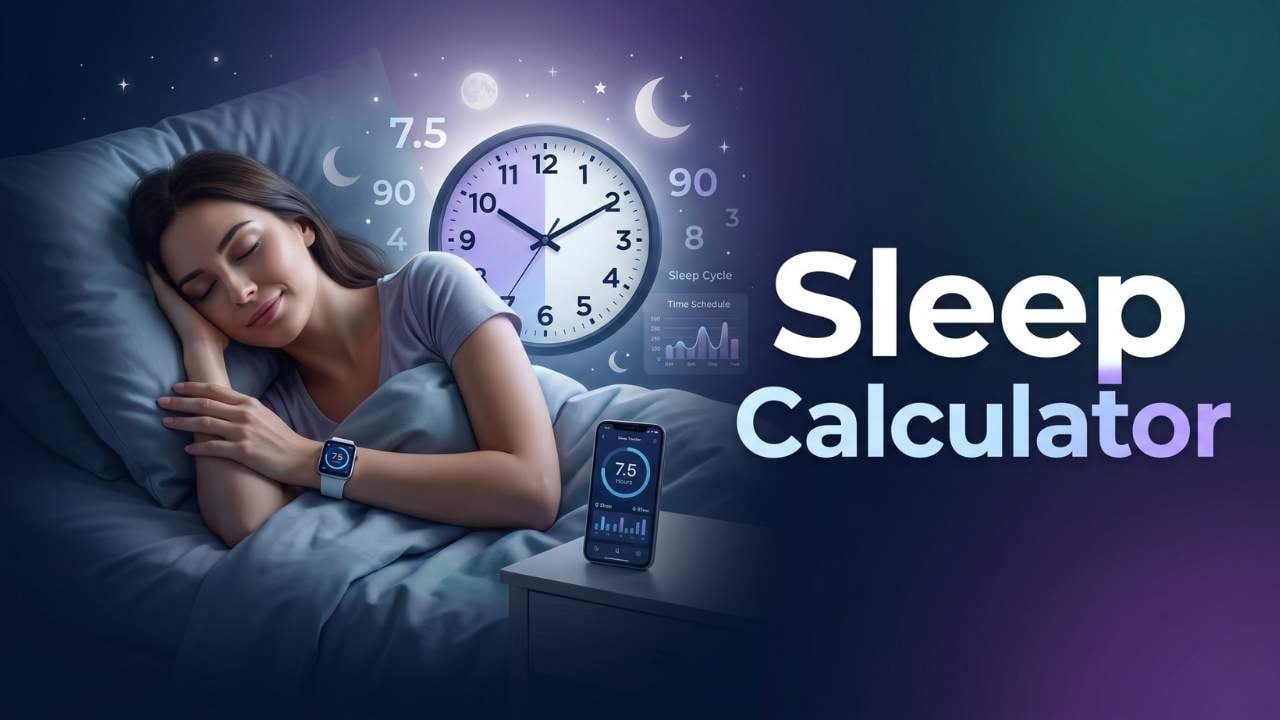
The Science of Sleep Cycles
Sleep is not a uniform state—it’s a structured series of recurring cycles. Each cycle lasts approximately 90 minutes (ranging from 80 to 120 minutes) and includes distinct stages that serve different restorative functions.
According to the National Institute of Neurological Disorders and Stroke, the timing of when you wake matters as much as how long you sleep. Waking at the end of a cycle (during light sleep) helps you feel more alert and refreshed.
The Four Stages of Each Sleep Cycle
N1: Light Sleep (5-10 min)
The transition from wakefulness. Muscles relax, heart rate slows, and you can be easily awakened. This brief stage typically lasts only a few minutes.
N2: True Light Sleep (20-25 min)
Body temperature drops and brain waves slow. Sleep spindles (bursts of brain activity) occur. This stage makes up about 50% of total sleep time.
N3: Deep Sleep (20-40 min)
The most restorative stage, crucial for muscle recovery and growth hormone release. Waking here causes grogginess.
REM Sleep (10-60 min)
Rapid Eye Movement sleep is when dreaming occurs. Critical for memory consolidation and emotional processing. REM periods grow longer as the night progresses.
Sleep Calculation Formula
Recommended Sleep by Age
| Age Group | Recommended Hours | Sleep Cycles |
|---|---|---|
| Teenagers (14-17) | 8-10 hours | 5-7 cycles |
| Young Adults (18-25) | 7-9 hours | 5-6 cycles |
| Adults (26-64) ✓ | 7-9 hours | 5-6 cycles |
| Older Adults (65+) | 7-8 hours | 5 cycles |
Sources: American Academy of Sleep Medicine (2016), Chaput et al. (2018). Individual needs may vary based on activity level and genetics.
Why Sleep Cycles Matter
😴 Sleep Inertia
Waking during deep sleep causes “sleep inertia”—that groggy, disoriented feeling lasting 15-30 minutes. Timing your wake-up to the end of a cycle minimizes this effect.
💪 Physical Recovery
Deep sleep is essential for physical fitness. Your body releases growth hormone, repairs tissues, and restores energy during N3 sleep.
🧠 Memory & Learning
REM sleep is essential for memory consolidation. Research shows adequate REM improves emotional processing and cognitive performance.
Optimizing Your Sleep Quality
🌡️ Room Temperature
Keep your bedroom between 65-68°F (18-20°C). A cooler room supports your body’s natural temperature drop during sleep, helping you fall asleep faster and maintain deeper rest.
📱 Light Exposure
Blue light from screens suppresses melatonin. Stop using devices 30-60 minutes before bed. Get bright light exposure in the morning to regulate your circadian rhythm.
⏰ Consistent Schedule
Go to bed and wake at the same time daily—even on weekends. Consistency strengthens your circadian rhythm, making it easier to fall asleep naturally.
🏃 Exercise Timing
Regular physical exercise improves sleep quality. Finish vigorous workouts 3+ hours before bedtime.
Frequently Asked Questions
Why do I feel tired after 8 hours of sleep?
If your alarm wakes you during deep sleep, you’ll feel groggy regardless of total time. Eight hours equals about 5.3 cycles—you may be waking mid-cycle. Try 7.5 hours (5 cycles) or 9 hours (6 cycles) instead.
Is 6 hours of sleep enough?
Six hours (4 cycles) is generally insufficient for most adults. Research shows that sleeping less than 7 hours regularly leads to reduced cognitive performance. Aim for 5-6 cycles (7.5-9 hours) for optimal function.
How accurate is the 90-minute cycle?
90 minutes is an average—individual cycles range from 80-120 minutes. Age, fitness, and sleep consistency affect your duration. The calculator offers multiple options to personalize.
Can naps replace nighttime sleep?
Short naps (20-30 min) boost alertness but don’t replace full night sleep. Avoid napping after 3 PM as it can interfere with nighttime rest. Prioritize consistent nightly sleep.
Scientific References
- Chaput, J.P., Dutil, C., & Sampasa-Kanyinga, H. (2018). Sleeping hours: What is the ideal number and how does age impact this? Nature and Science of Sleep, 10, 421-430. PubMed
- Liu, Y., et al. (2016). Prevalence of healthy sleep duration among adults—United States, 2014. MMWR Weekly Report, 65(6), 137-141. PubMed
- Paruthi, S., et al. (2016). Consensus statement of the American Academy of Sleep Medicine on the recommended amount of sleep for healthy children. Journal of Clinical Sleep Medicine, 12(11), 1549-1561. PubMed
- McNamara, P., et al. (2010). Impact of REM sleep on distortions of self-concept, mood and memory. Journal of Affective Disorders, 122(3), 198-207. PubMed
- National Institute of Neurological Disorders and Stroke. (2022). Brain Basics: Understanding Sleep. NINDS
- National Heart, Lung, and Blood Institute. (2022). Sleep Deprivation and Deficiency. NHLBI
- Durmer, J.S. & Dinges, D.F. (2005). Neurocognitive consequences of sleep deprivation. Seminars in Neurology, 25(1), 117-129. PubMed
- Colten, H.R., Altevogt, B.M. (Eds.). (2006). Sleep Disorders and Sleep Deprivation: An Unmet Public Health Problem. National Academies Press. PubMed
- Schwab, R.J. (2022). Overview of Sleep. Merck Manual Consumer Version. Merck Manual
⚠️ Important Notice
This Sleep Calculator provides general estimates based on sleep cycle research. Individual needs vary based on genetics, activity level, and personal factors. The times provided are starting points—adjust based on how you feel upon waking. If you experience persistent sleep difficulties, consult with a qualified sleep specialist for personalized guidance.
Related Posts
- Tdee Calculator
- Basketball Calories Burned Calculator
- Badminton Calories Burned Calculator
- Boxing Calories Burned Calculator
- Plank Calories Burned Calculator
- Burpee Calories Burned Calculator
- Crunches Calories Burned Calculator
- Sit-Up Calories Burned
- Zumba Calories Burned Calculator
- Pull Up Calories Burned Calculator
- Push-Up Calories Burned Calculator
- Home Activities Calories Burned Calculator

Manish is a NASM-certified fitness and nutrition coach with over 10 years of experience in weight lifting and fat loss fitness coaching. He specializes in gym-based training and has a lot of knowledge about exercise, lifting technique, biomechanics, and more.
Through “Fit Life Regime,” he generously shares the insights he’s gained over a decade in the field. His goal is to equip others with the knowledge to start their own fitness journey.