
🤸 Beighton Score Calculator
Assess joint hypermobility with this standardized 9-point scoring system used by professionals worldwide

What is the Beighton Score?
The Beighton Score is a standardized 9-point system used to assess generalized joint hypermobility (GJH). Originally developed in 1973 by Peter Beighton, it evaluates joint laxity at specific locations in the fingers, elbows, knees, and spine.
Important distinction: Joint hypermobility refers to increased range of motion in joints/ligaments, which is different from muscle flexibility (like hamstring stretches). This assessment is valuable for athletes, dancers, gymnasts, and anyone interested in understanding their natural joint mobility. Higher scores indicate greater joint laxity, which can be beneficial for certain physical activities while requiring attention to joint stability training.
The 9 Beighton Tests Explained
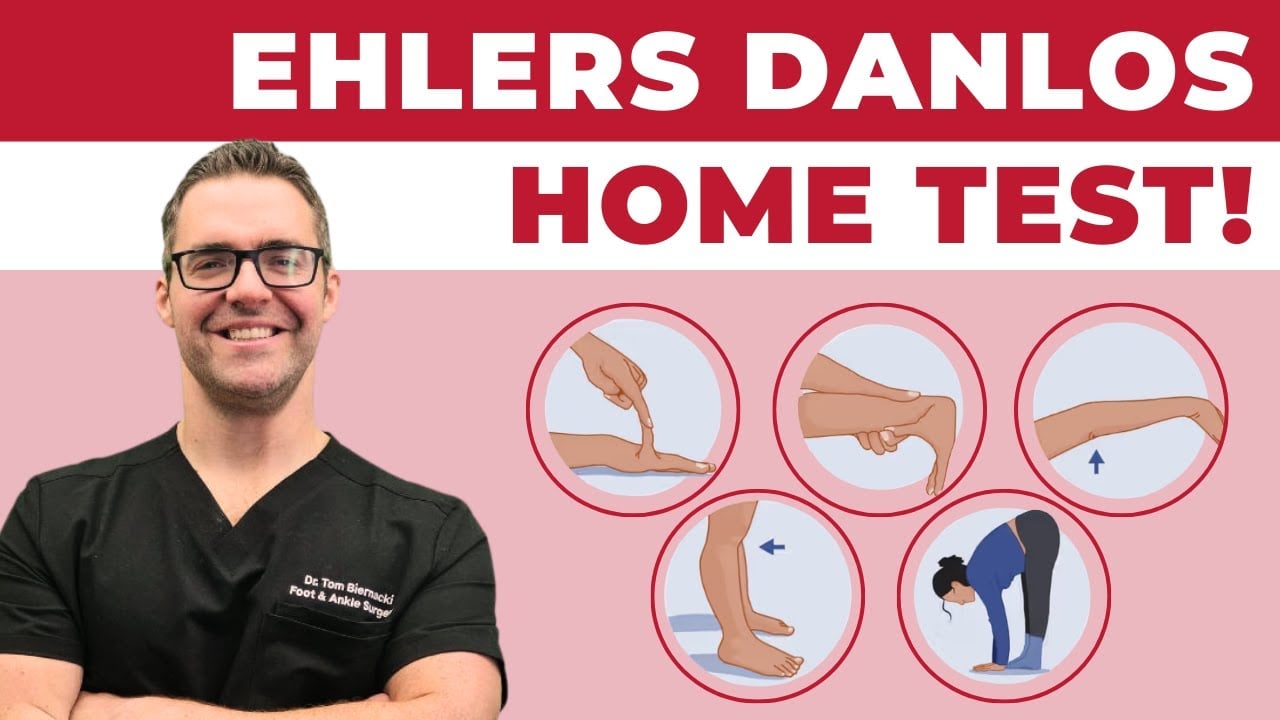
Watch: How to Perform the Beighton Test
For a clear demonstration of each maneuver, watch the instructional video below. It shows the correct form for the passive and active tests to ensure your score is as accurate as possible.
Score Interpretation
| Score | Classification | Description |
|---|---|---|
| 0-3 | Normal Joint Laxity | Typical joint mobility for most adults |
| 4-6 | Generalized Joint Hypermobility | Above-average joint laxity; common in dancers/athletes |
| 7-9 | High Joint Hypermobility | Significant joint laxity; focus on stability training |
Age-adjusted cut-offs: Joint laxity naturally decreases with age. For adults under 50, a score of ≥5 typically indicates generalized joint hypermobility (GJH). For those over 50, ≥4 is commonly used. These thresholds align with the 2017 international classification criteria.
Frequently Asked Questions
Does joint hypermobility change with age?
Yes, joint laxity naturally decreases with age. Children and teenagers typically score higher than adults. Research shows joint mobility peaks in childhood and gradually decreases throughout adulthood, which is why age-adjusted cut-offs are used.
Is high joint hypermobility good or concerning?
High joint mobility is often beneficial for activities like dance, gymnastics, and yoga. However, individuals with high scores should focus on strength training to support joint stability and control during movement.
Do men and women score differently?
Generally, women tend to score higher than men due to hormonal differences affecting connective tissue laxity. This difference is most pronounced during reproductive years.
Can I change my Beighton Score?
The Beighton Score measures inherent joint laxity (how loose your ligaments are), which is largely genetic. While regular stretching exercises can improve muscle flexibility, the Beighton Score primarily reflects your natural joint structure rather than trained flexibility.
💡 Training Tips Based on Your Score
Score 0-3 (Normal): Focus on regular stretching to maintain and improve muscle flexibility. Include dynamic warm-ups before exercise.
Score 4-6 (GJH): Balance mobility work with strength training. Pay attention to joint control and stability during leg exercises and other compound movements. Avoid locking out joints at end range.
Score 7-9 (High): Prioritize stability and proprioception training. Strengthen muscles around hypermobile joints to provide support and control. Consider working with a professional familiar with joint hypermobility.
The Beighton Score as a Measure of Generalized Joint Hypermobility (Rheumatol Int, 2021) • Beighton P, Solomon L, Soskolne CL. Articular mobility in an African population. Ann Rheum Dis. 1973;32(5):413-418

Manish is a NASM-certified fitness and nutrition coach with over 10 years of experience in weight lifting and fat loss fitness coaching. He specializes in gym-based training and has a lot of knowledge about exercise, lifting technique, biomechanics, and more.
Through “Fit Life Regime,” he generously shares the insights he’s gained over a decade in the field. His goal is to equip others with the knowledge to start their own fitness journey.